
Line Stages and Machinery
Livestock feed usually has a coarser particle size than poultry feed, and many formulas include molasses and other liquids. On large dairy and beef farms, steam-flaked corn and barley are increasingly used for their better starch digestibility. The design of a livestock feed line therefore depends above all on the final product: mash, pellets, supplement concentrate or a combination.
A complete livestock feed line starts with receiving and storing raw materials, continues with grinding, weighing and mixing and, when pellets are produced, goes on to the conditioner, pellet mill and cooler. The finished feed is delivered bagged or in bulk.
- 1Receiving and cleaning
Truck unloading, removal of impurities and transfer to the silos
Intake PitIndustrial ScreenerBucket ElevatorDrag Chain Conveyor
- 2Storage
Storing grain, meals and raw materials
- 3Grinding and flaking
Grinding grain to the right particle size for livestock, or producing flaked corn and barley
- 4Weighing to formula
Automatic weighing of raw materials and addition of supplements
- 5Mixing
Uniform mixing with molasses and liquid addition
- 6Pelleting (optional)
Steam conditioning, pelleting and cooling
Single and Twin Shaft ConditionerCounterflow Pellet CoolerIndustrial Screener
- 7Bagging or bulk loading
Bagging or bulk delivery to farms
- 8Dust collection and control
Air cleaning and integrated line control
Industrial Cyclone SeparatorIndustrial Bag FilterControl Panels and PLC
Technical Notes and Line Types
- Mash or pellets: Mash is simpler and cheaper to produce; pellets mean less waste, less segregation of the formula and easier handling.
- Molasses and liquids: Molasses is common in livestock feed, and the spray system and mixer type should be matched to it from the start.
- Flaked corn and barley: For dairy and beef cattle, a flaking line includes a steam chest, flaker and dryer or cooler, and can be part of the main line or a separate line.
- Bulk delivery: For large farm groups, bulk delivery by bulk feed truck eliminates bag and packing costs.
Capacity and Custom Building
All machinery in the line is built to order, so the line can be designed for exactly the capacity you need, from very low capacities to unusually high ones. If needed, imported machinery is also supplied and integrated with the line.
Timeline and Execution
From consultation to handover, depending on the type and capacity of the line, the number of machines and the building and structure, a project usually takes 4 to 12 months. The initial visit and consultation are free. See turnkey construction and consulting and feasibility.
Completed Projects
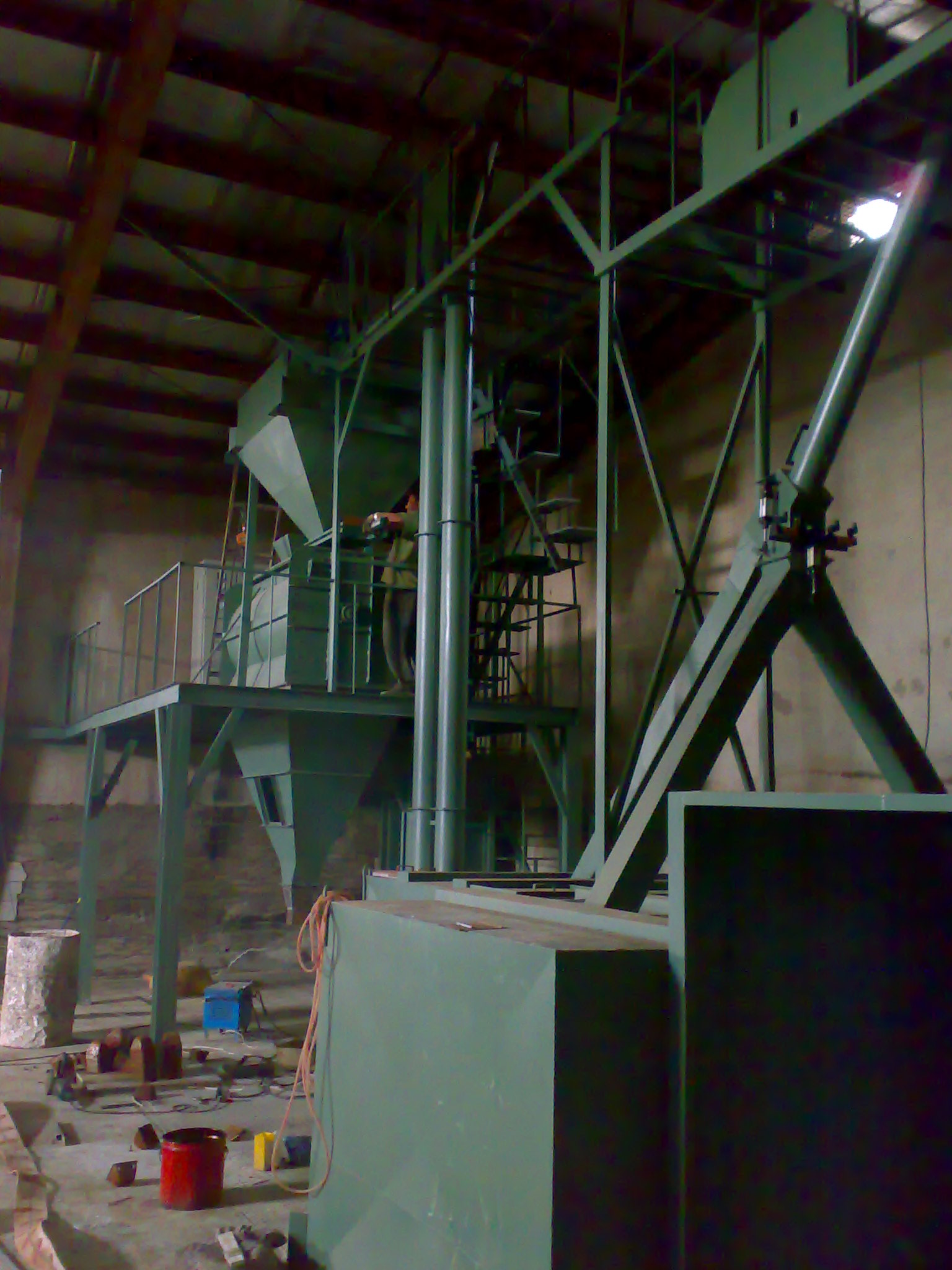
A production company
Complete execution
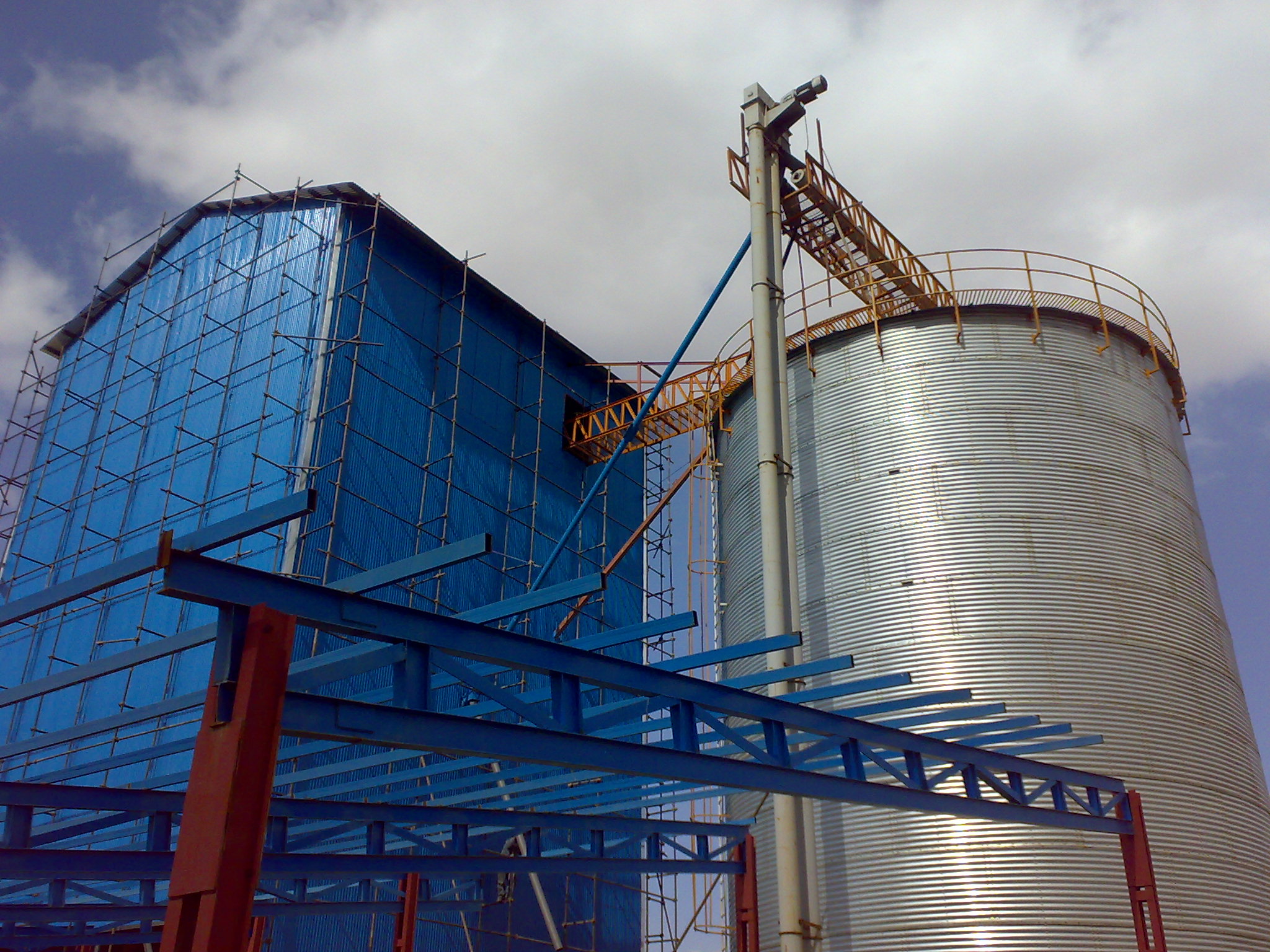
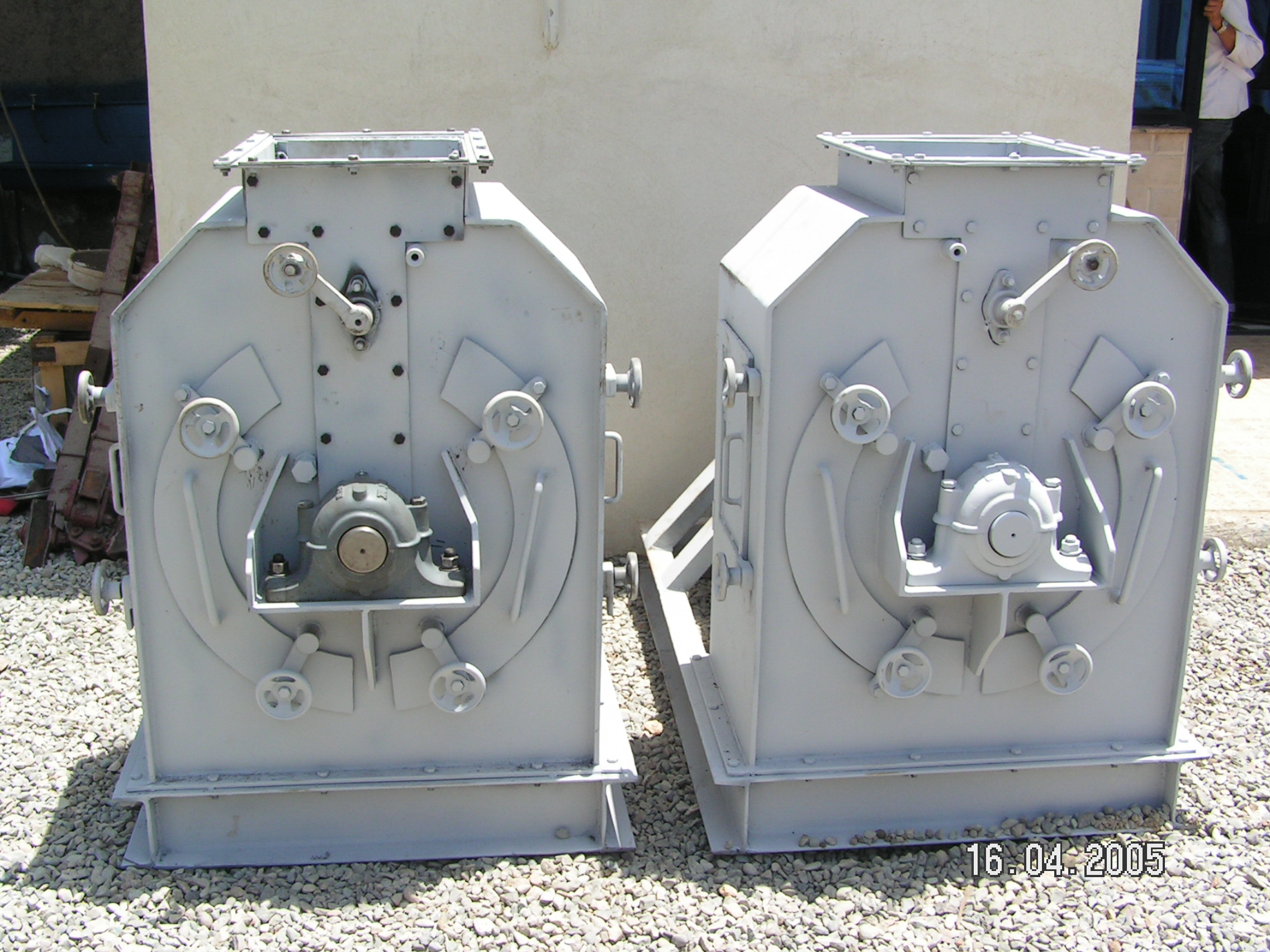
Chaharmahal and Bakhtiari Livestock Farmers' Union
Complete execution
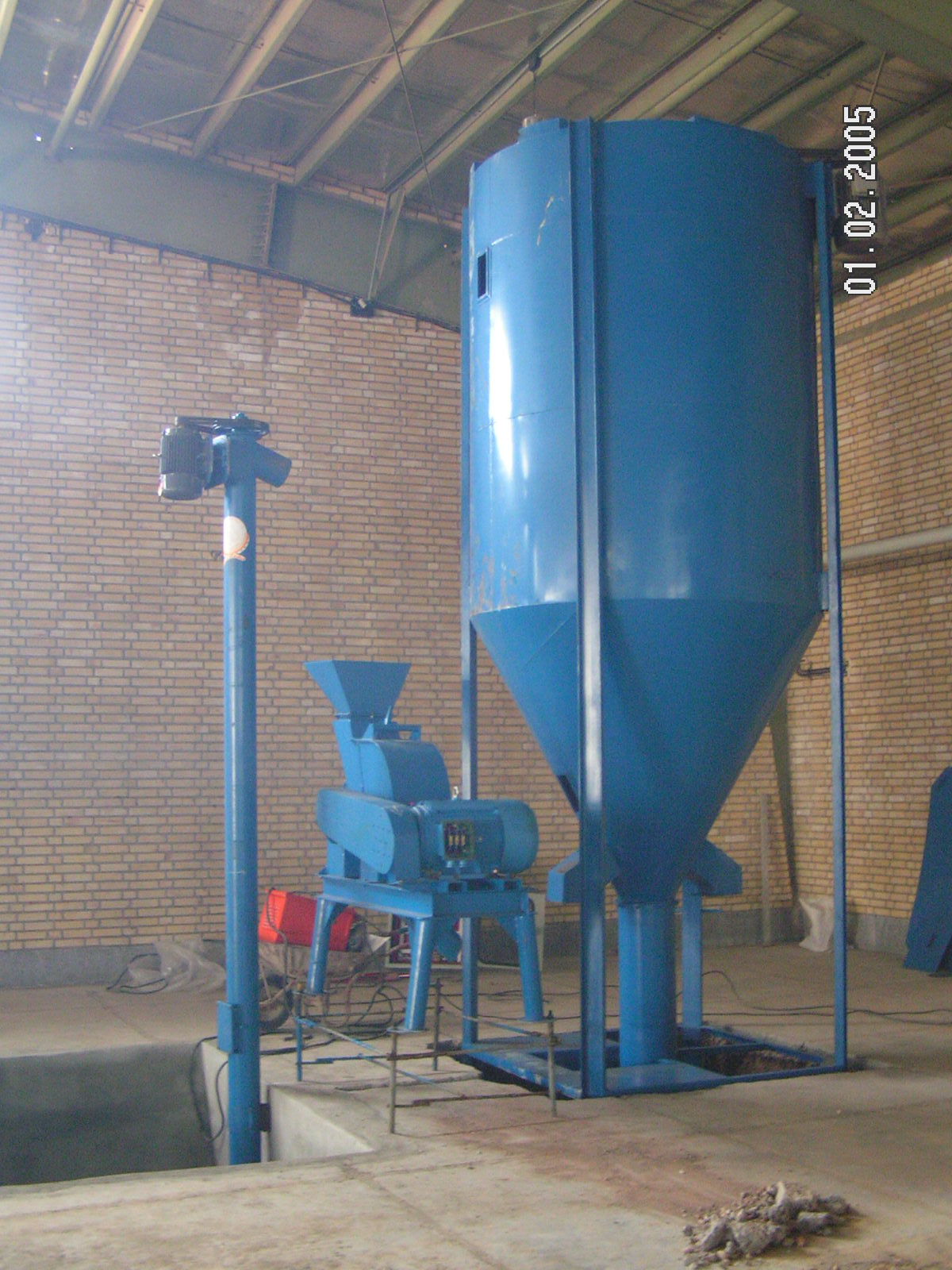
A production company
Complete execution
Techno Shir Dairy Farm
A production company
Frequently Asked Questions
How much does a livestock feed line cost?
It depends on capacity, product type (mash, pellets or flakes), number of machines, level of automation and the condition of the building and structure. A detailed estimate is given after the free initial visit and consultation.
How long does a complete line take?
From consultation to handover, depending on the type and capacity of the line, the number of machines and the building and structure, usually 4 to 12 months.
Can you build a line for a small capacity?
Yes; all machines are built to order, and a line can be designed from very low capacities for a single farm to unusually high ones.