
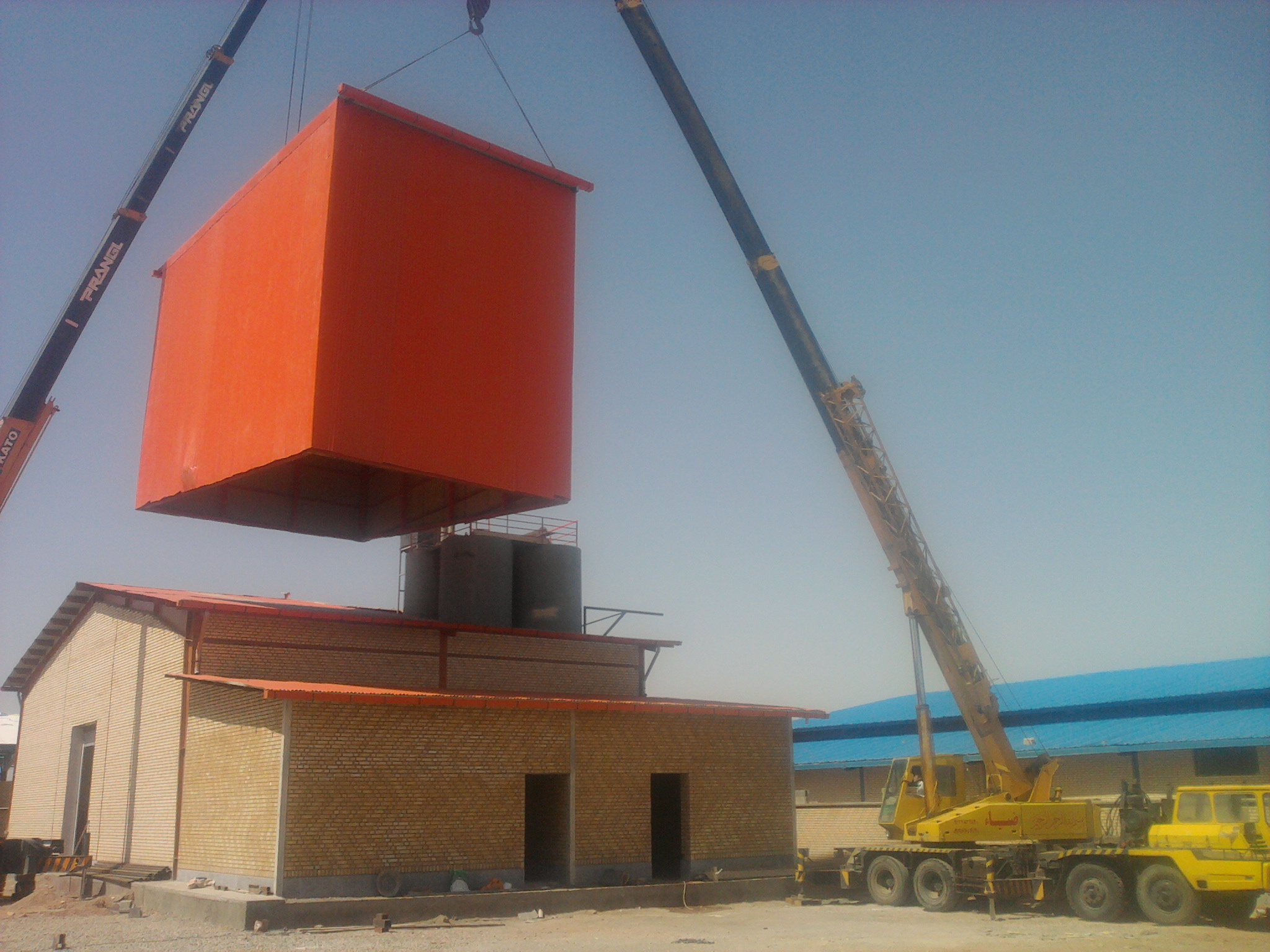
Line Stages and Machinery
The defining feature of a concentrate line is the large number of raw materials and the high share of minor ingredients in the formula: minerals such as calcium carbonate and salt, vitamins, trace elements and additives. Weighing accuracy and mixing uniformity therefore matter more here than anywhere else.
Many of the raw materials are powdery, sticky or bagged, and need suitable equipment to discharge them from silos or bags. The finished product is usually bagged, and some lines also produce pellets.
- 1Receiving and storage
Receiving bulk and bagged materials and storing them in silos and bins
Intake PitIndustrial Storage SiloSilo Discharge SystemBag Dump Station
- 2Grinding
Grinding grain and coarse materials
- 3Accurate weighing
Weighing major ingredients and micro-ingredients
- 4Mixing
Uniform mixing of powders and additives
Twin Shaft Paddle MixerRibbon MixerSingle Shaft Paddle Mixer
- 5Conveying
Enclosed, dust-free conveying of powders
- 6Pelleting (optional)
Steam conditioning, pelleting and cooling
- 7Bagging
Bagging the finished product
- 8Dust collection
Collecting dust from powdery materials
Technical Notes and Line Types
- Accuracy for minor ingredients: For ingredients used in small amounts, a separate scale and automatic recording of additions keep formula errors to a minimum.
- Powdery and sticky materials: Silo hopper angles, discharge aids and conveyor type must suit how the materials behave.
- Choosing the mixer: A ribbon mixer suits premixes and fine powders; a paddle mixer suits materials of different densities and particle sizes.
- Dust control: Powders create a lot of dust; proper dust collection keeps the workplace healthy and returns material to the line.
Capacity and Custom Building
All machinery in the line is built to order, so the line can be designed for exactly the capacity you need, from very low capacities to unusually high ones. If needed, imported machinery is also supplied and integrated with the line.
Timeline and Execution
From consultation to handover, depending on the type and capacity of the line, the number of machines and the building and structure, a project usually takes 4 to 12 months. The initial visit and consultation are free. See turnkey construction and consulting and feasibility.
Completed Projects
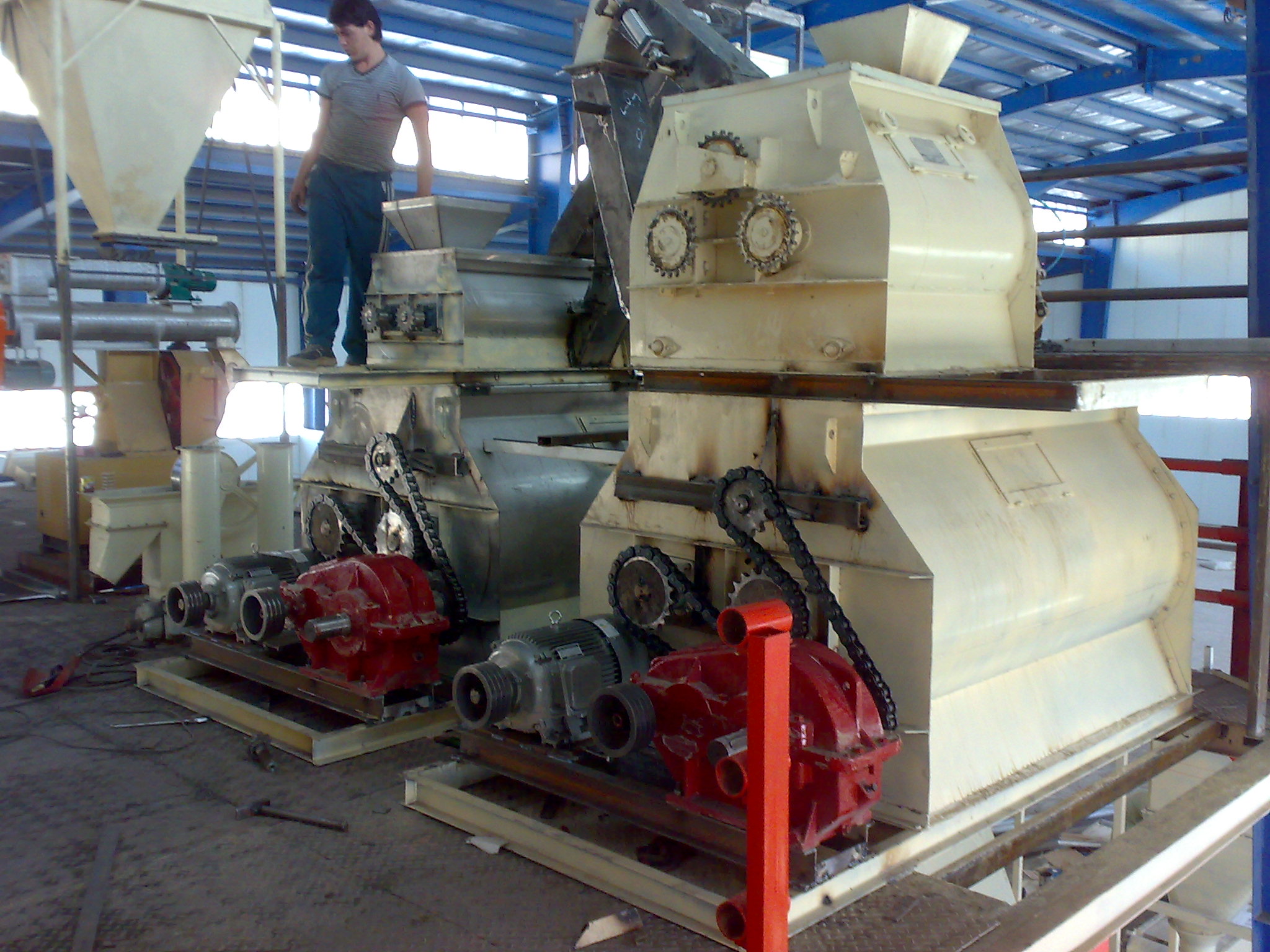
Jahanbin Mokammel Company
Complete execution
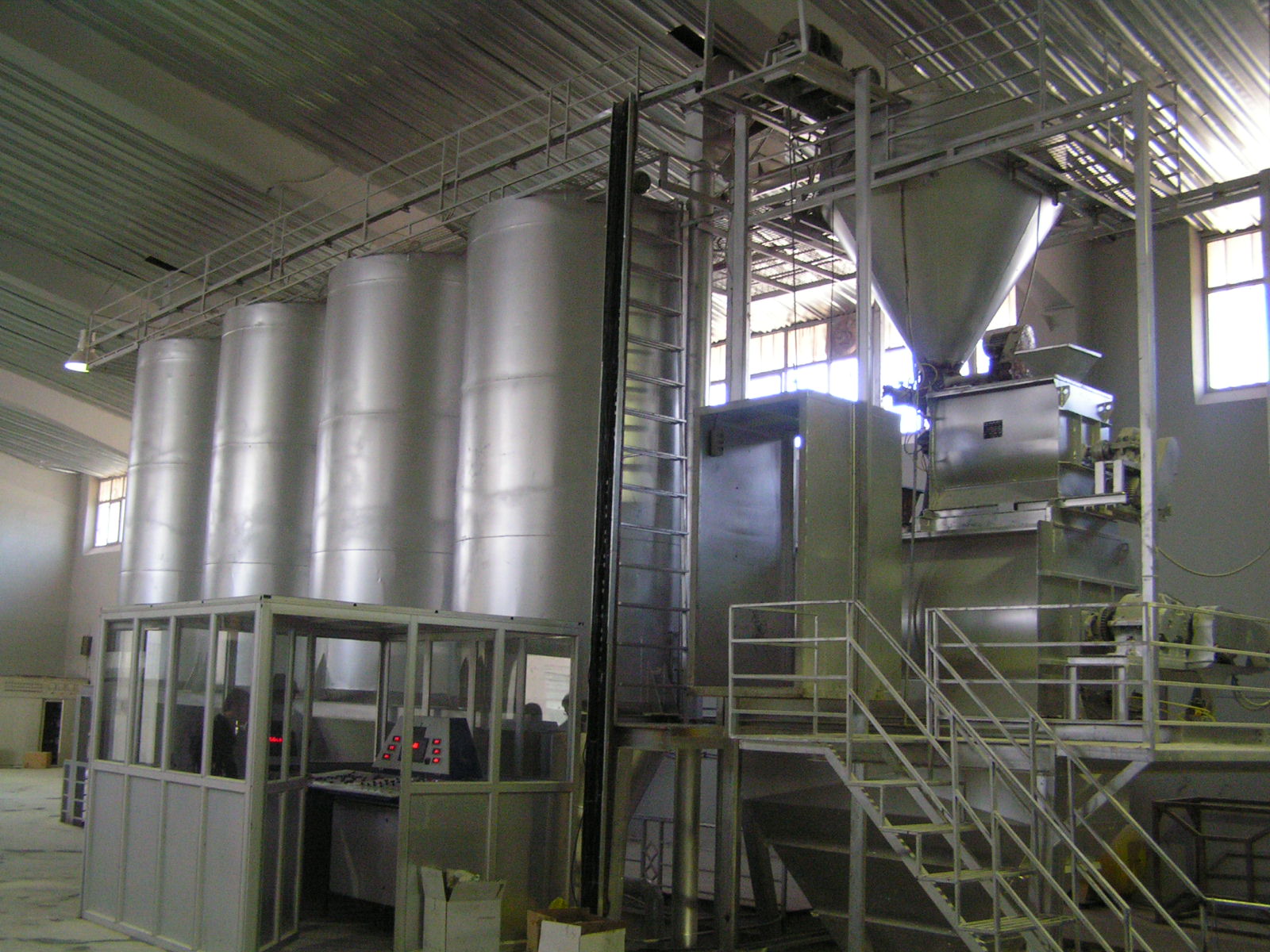
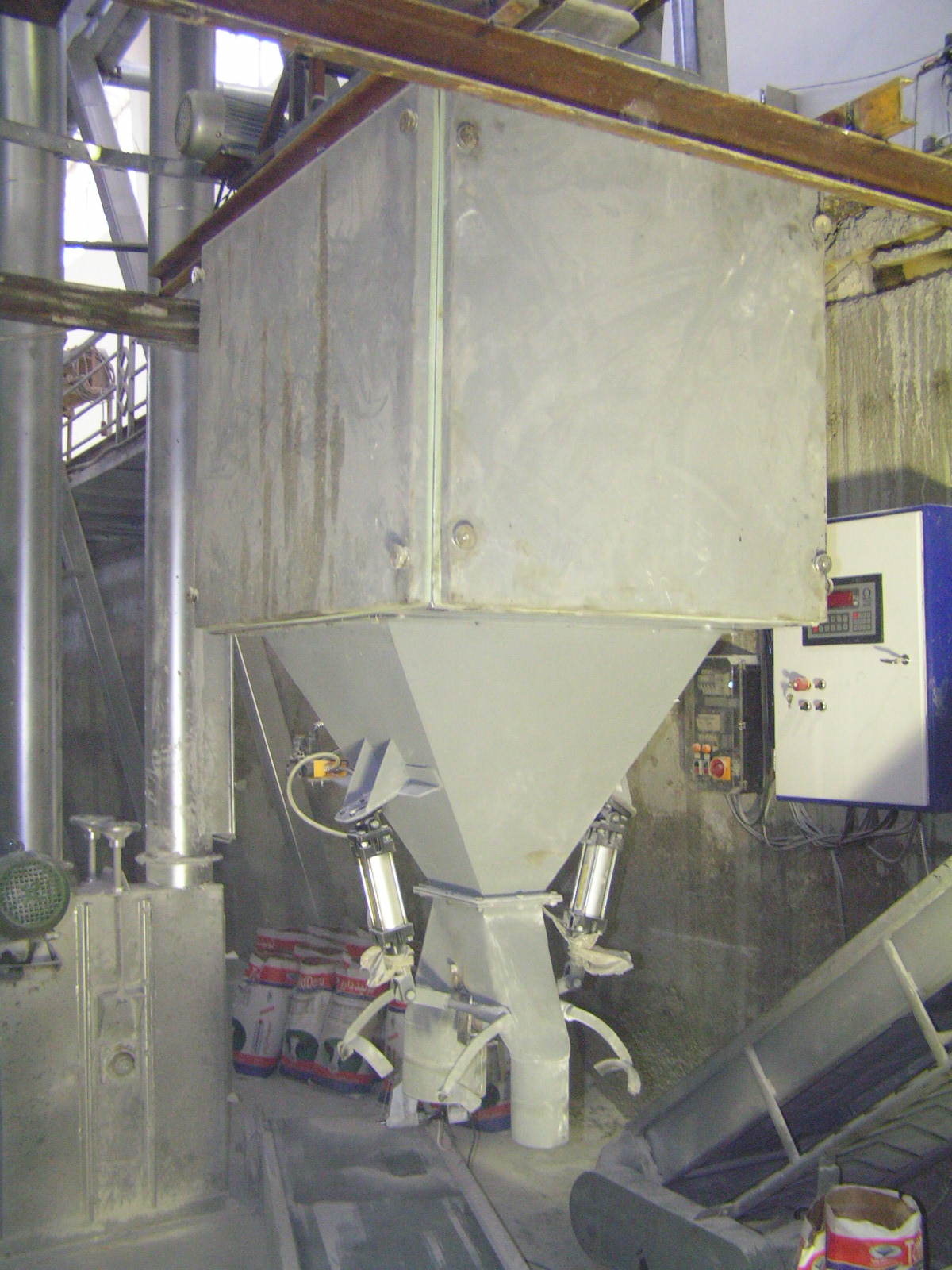
A Pharmaceutical Manufacturing Company
Complete execution
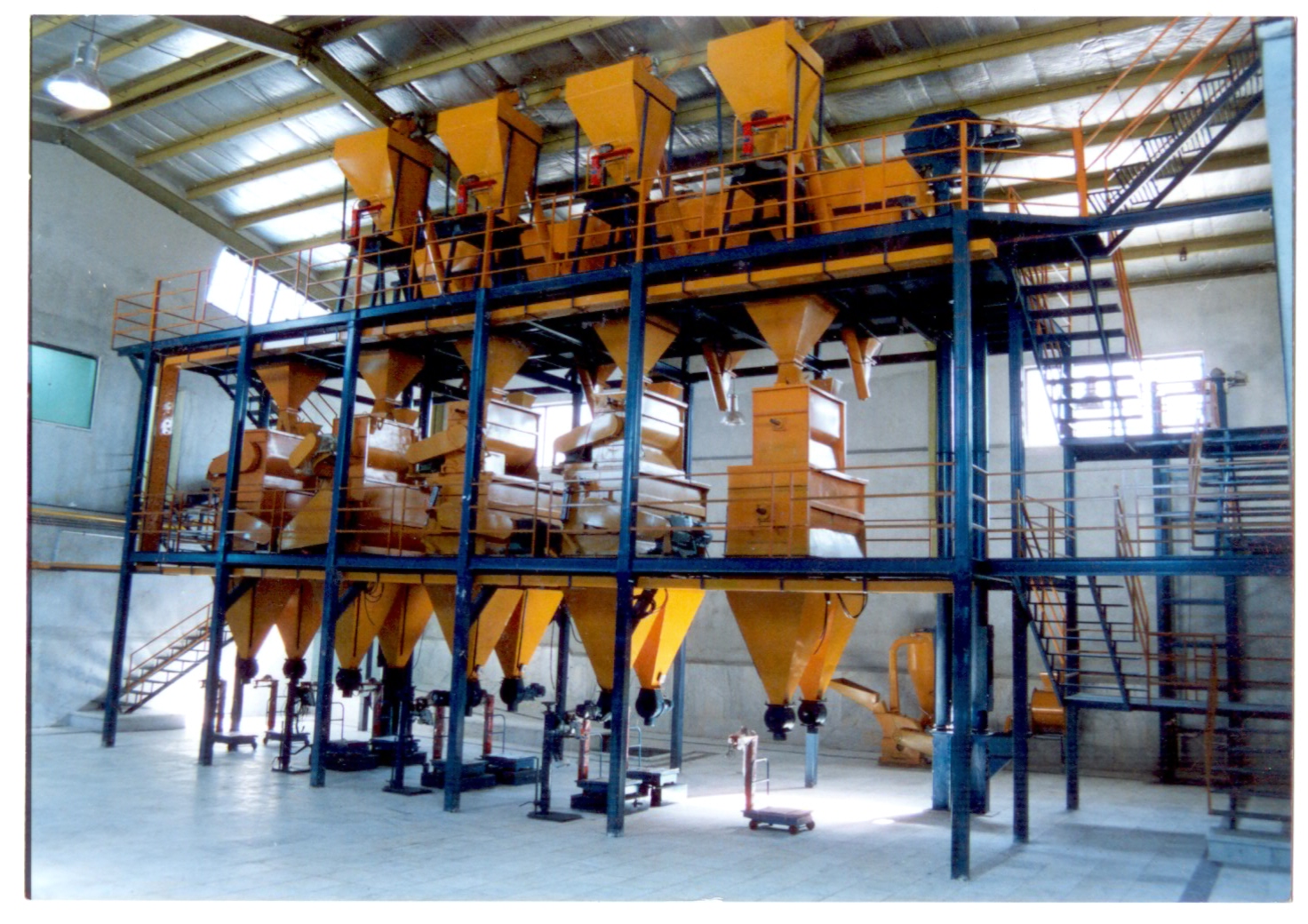
Roshd Daneh Gorgan Company
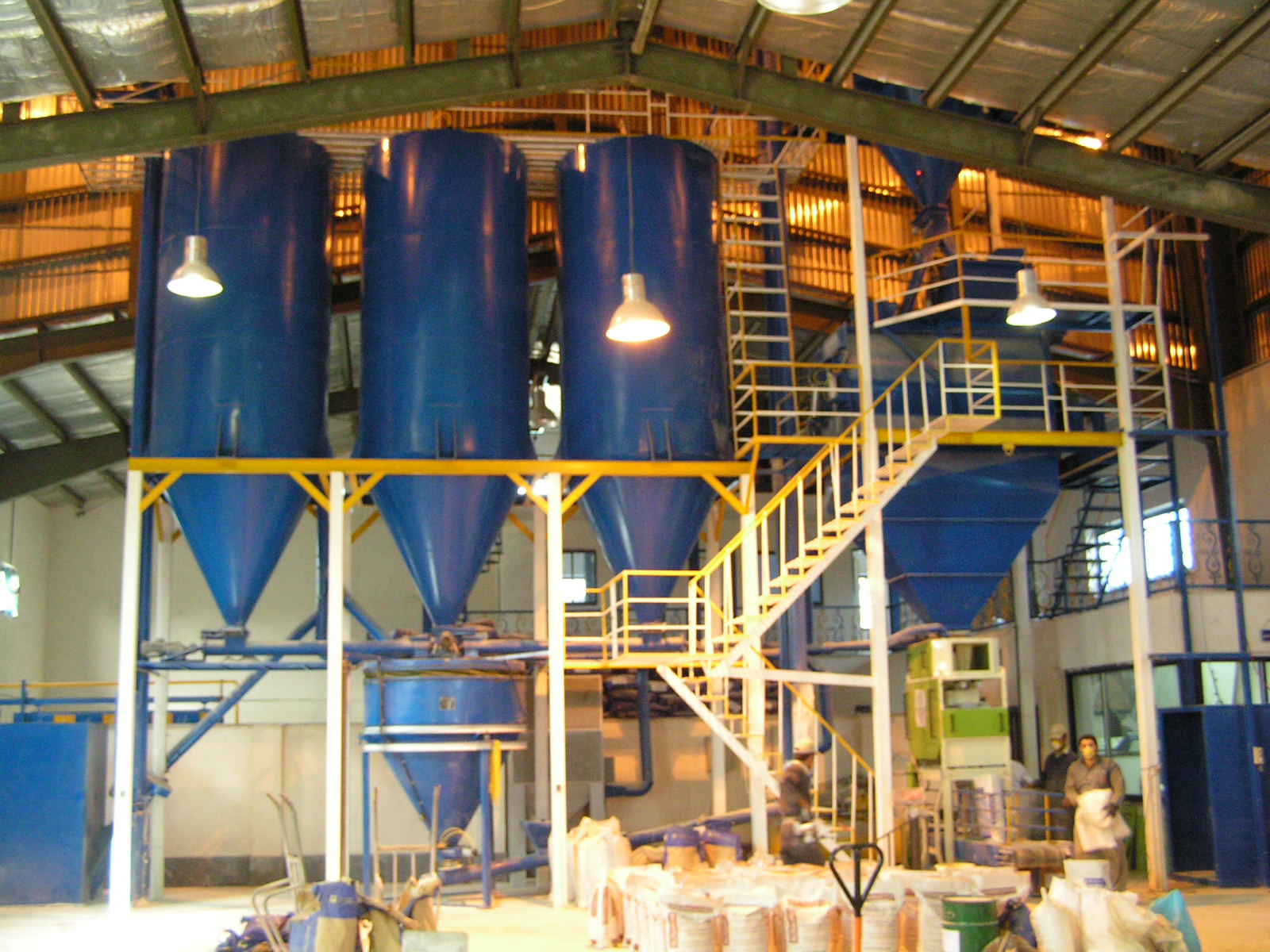
Arian Roshd Kar Gorgan Company
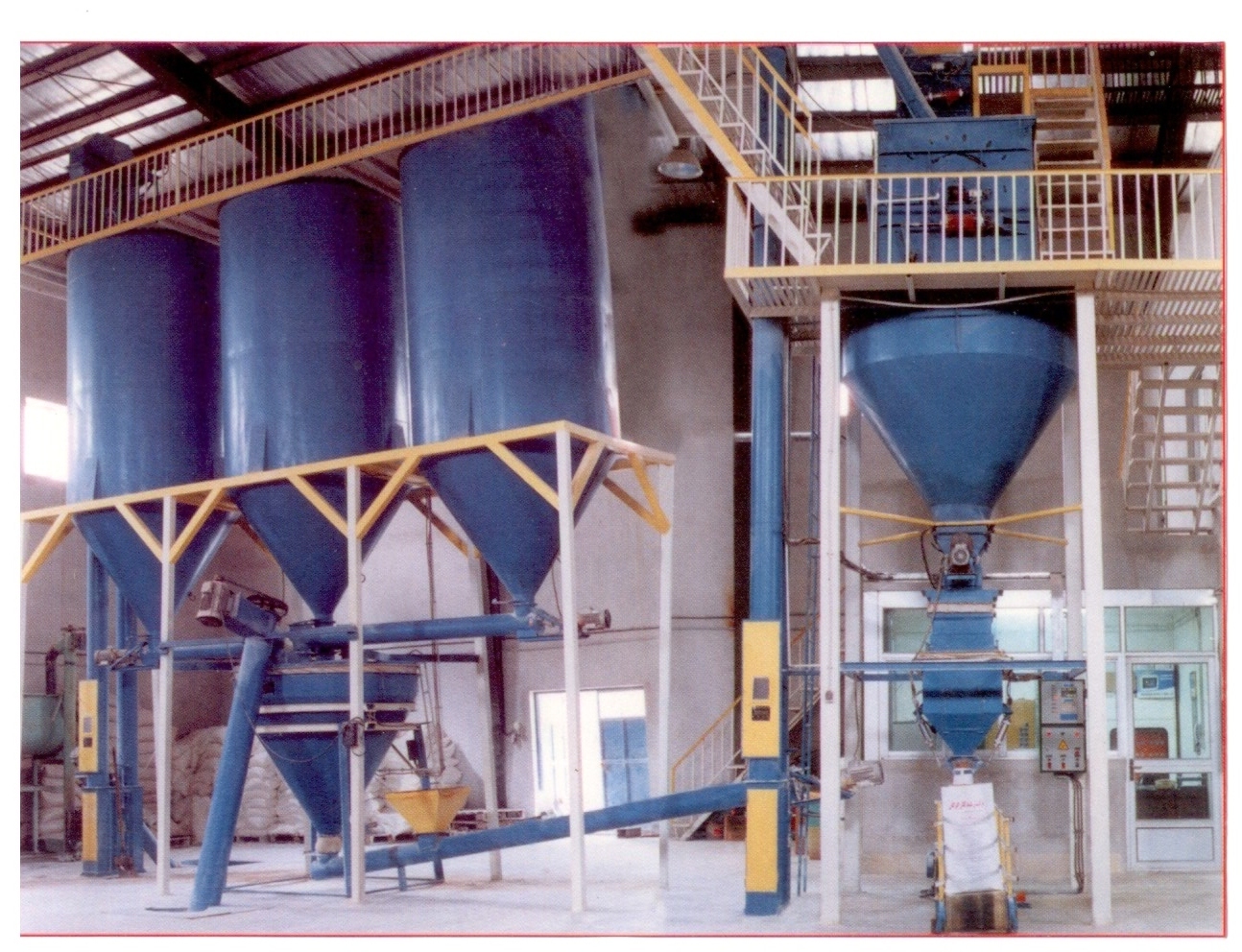
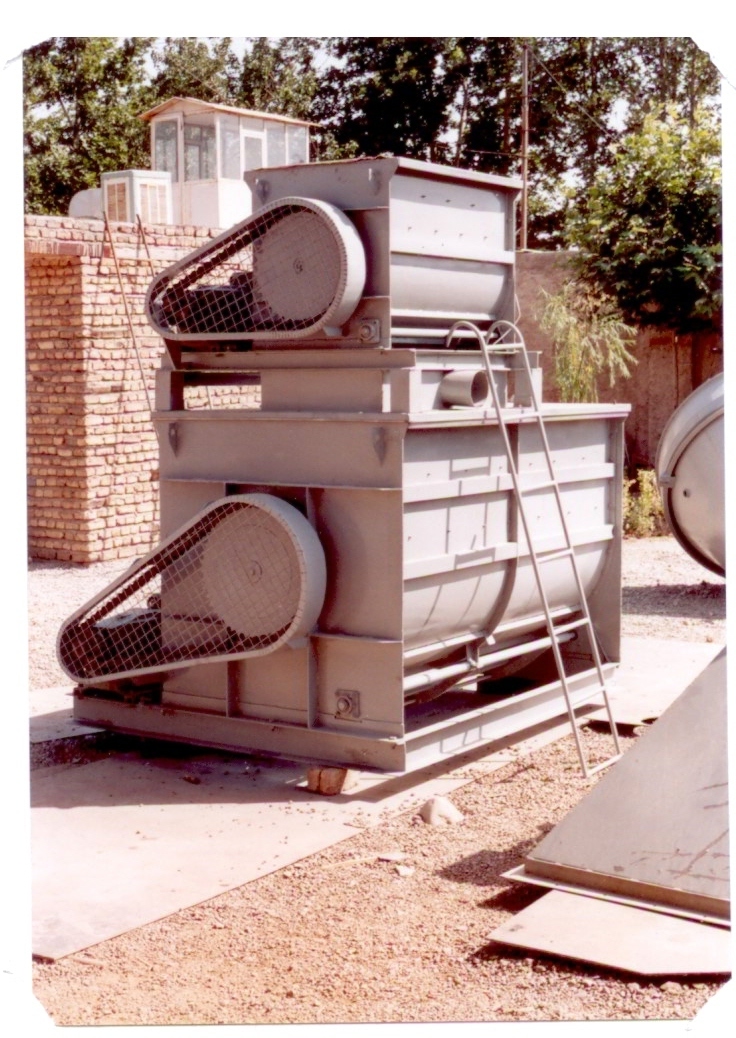
Arian Roshd Gorgan Company
Frequently Asked Questions
How is a concentrate line different from a complete feed line?
A concentrate line has more raw materials and more minor ingredients, so weighing and mixing accuracy matter more; pelleting is optional.
How much does a concentrate line cost?
It depends on capacity, number of raw materials, level of automation, the need for pelleting and the condition of the building and structure. A detailed estimate is given after the free initial visit and consultation.
How long does the line take?
From consultation to handover, depending on the type and capacity of the line, the number of machines and the building and structure, usually 4 to 12 months.