Roshdaneh Shahrekord Company
Renovation
 FA
Compared with livestock and poultry feed, aquatic feed needs much finer particles, more accurate mixing and greater water stability. Feed for fish such as trout is usually extruded, so its floating or sinking speed can be controlled and a high oil content can be added. Shrimp feed needs pellets with high water stability.
An aquatic feed line therefore usually includes fine grinding, a conditioner with longer retention time, an extruder or pellet mill, a dryer, a coater, a cooler and a screener, and each section must be designed together with the others.
Fish meal, meals, flour and other materials
Grinding materials to the very fine particles aquatic feed needs
Accurate weighing and uniform mixing
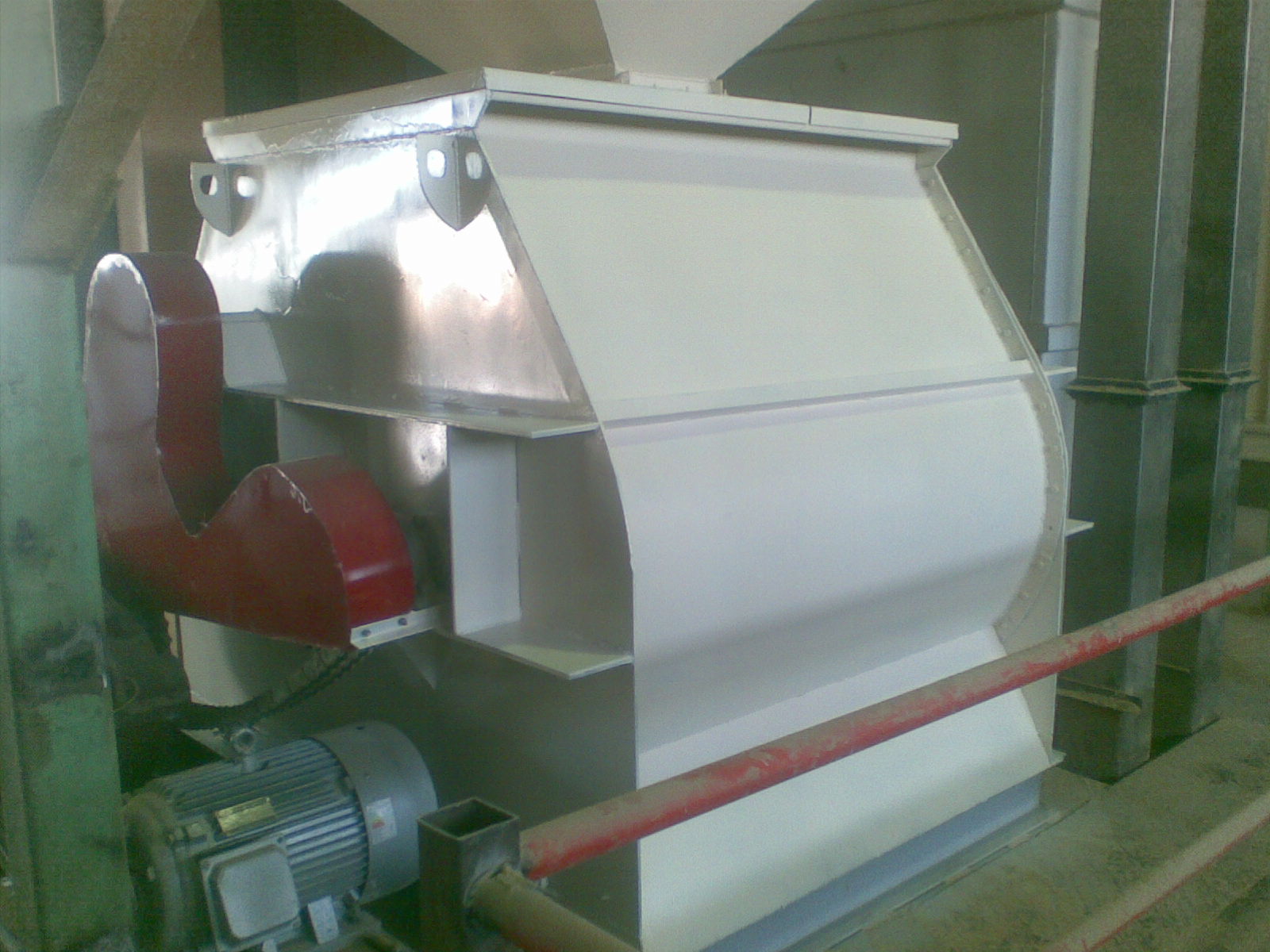
Batching and Weighing SystemTwin Shaft Paddle MixerBag Dump Station
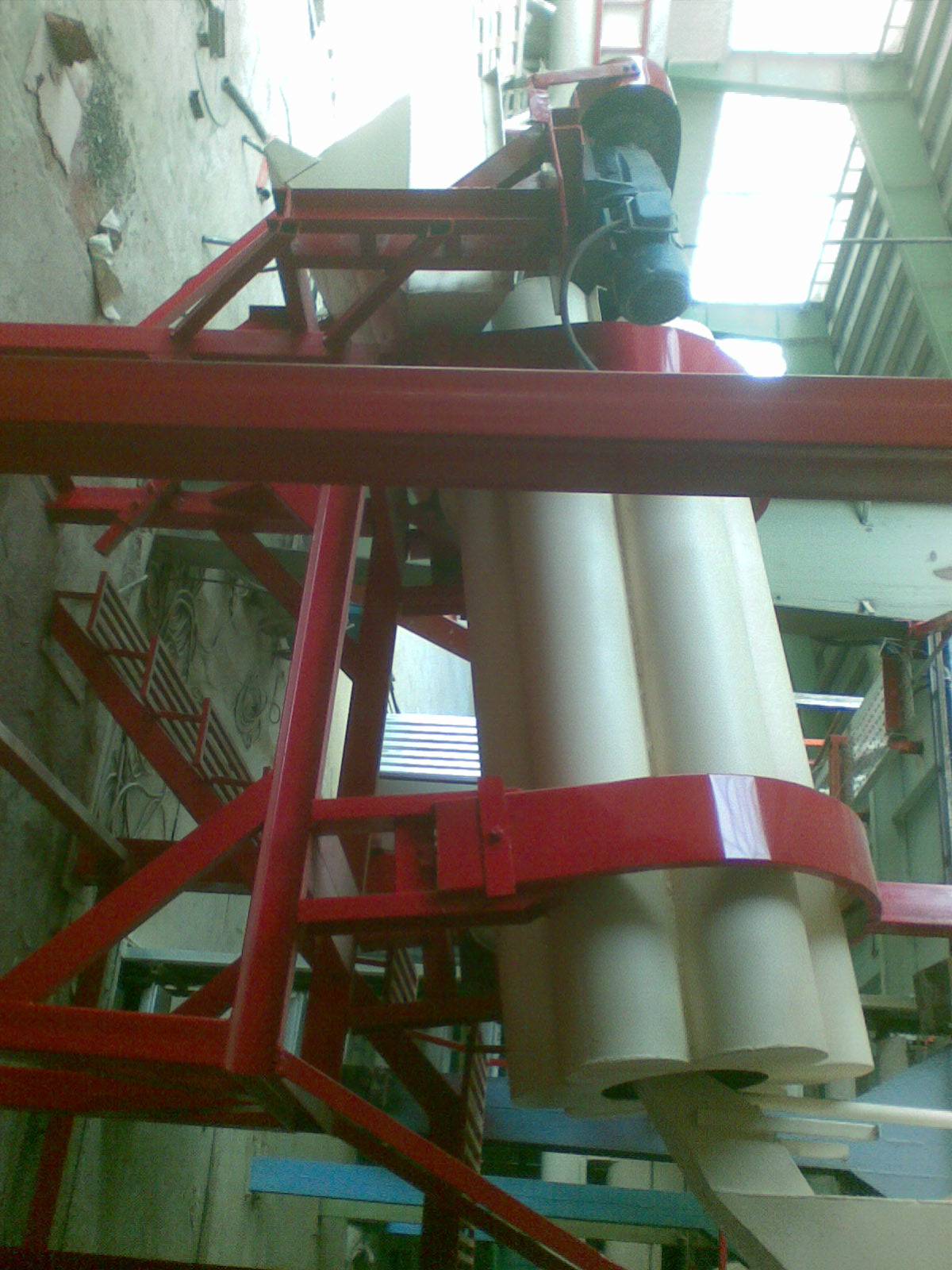
Steam conditioning with longer retention and shaping the product
Reducing the moisture of extruded or pelleted feed
Adding oil to the surface or into the product
Cooling and removing fines
Bagging the finished product
All machinery in the line is built to order, so the line can be designed for exactly the capacity you need, from very low capacities to unusually high ones. If needed, imported machinery is also supplied and integrated with the line.
From consultation to handover, depending on the type and capacity of the line, the number of machines and the building and structure, a project usually takes 4 to 12 months. The initial visit and consultation are free. See turnkey construction and consulting and feasibility.
Renovation
Commissioning of a pellet line from the Chinese company Muyang
Yes; by adding or changing sections such as fine grinding, the conditioner, the dryer and the coater. The first conversion of a poultry feed mill to shrimp feed was carried out by our company.
Yes; in complete lines, imported machinery such as extruders is supplied when needed and integrated with the rest of the line.
From consultation to handover, depending on the type and capacity of the line, the number of machines and the building and structure, usually 4 to 12 months.